Robot Pool Cleaners with Wall Climbing: Is It Worth the Extra Money?
By PoolBotLab · Updated August 2026 · 10 min read
Wall-climbing robot pool cleaners cost $400 to $1,500 more than floor-only equivalents at every tier of the market. The Dolphin E10 cleans the floor of a small pool for $399. The Beatbot AquaSense 2 climbs walls and scrubs the waterline for $849. The Beatbot AquaSense 2 Pro takes that to its logical conclusion at $1,799, covering every surface with a documented 890-review track record. That gap is real money, and for many pool owners it is genuinely not worth paying.
Whether the wall-climbing premium makes sense depends on your specific pool: its size, its surface material, how often algae or calcium scale forms on the walls, and how willing you are to supplement a floor-only robot with a manual pole brush. A 20-foot above-ground pool with a smooth vinyl liner rarely needs a wall climber. A 35-foot gunite in-ground pool in a humid climate, or any saltwater pool, is a completely different story. This guide walks through the exact decision so you can spend the right amount and nothing more.
Quick Picks: Wall Climbers vs. Floor-Only at a Glance
What Wall-Climbing Robots Actually Do
Most robot pool cleaners sold today are floor-only units. They map the pool bottom, run a systematic pattern, vacuum debris and algae off the floor, and return to the edge. That handles the surface where the most debris settles, and for pools with good water chemistry and low algae pressure, it is often sufficient.
Wall-climbing robots add two more cleaning surfaces to that routine. After mapping and cleaning the floor, a wall climber transitions up the pool walls using a combination of powerful suction and driven tracks or rubber paddles. It scrubs vertical surfaces, loosening algae film, biofilm, and calcium scale. Then it climbs to the waterline: the boundary where water meets air. That waterline zone is where calcium deposits accumulate fastest, where body oils and sunscreen leave a ring, and where biofilm colonies establish themselves first. Every pool chemistry expert will tell you that the waterline is the hardest surface to keep clean and the first place problems appear when chemistry slips.
A 4-surface robot goes one step further. The Beatbot AquaSense 2 Ultra ($2,649) adds an active surface skimming function, drawing floating debris, pollen, and oils off the top of the water while also cleaning all three submerged surfaces. In practice, 4-surface cleaning is most valuable for pools near trees or in areas with heavy pollen seasons. Most pool owners will find 3-surface coverage (floor, walls, waterline) fully adequate.
Does Your Pool Need Wall Climbing?
The team at PoolBotLab tested wall climbers in pools ranging from 18-foot above-ground models to 40-foot gunite in-ground pools. The answer is not the same for every pool. Use this table to see where your pool falls.
| Pool Type | Wall Climbing Needed? | Reason |
|---|---|---|
| Small pool under 25ft | ✗ Probably Not | Small surface area means walls are easy to brush manually in under 5 minutes. A floor-only robot handles the hard part. |
| Large in-ground 30ft+ | ✓ Strongly | Large wall surface area accumulates algae faster. Manual brushing is genuinely time-consuming. Wall robot pays for itself in effort saved. |
| Fiberglass pool | ⚠ Sometimes | Fiberglass is smooth and resists algae better than plaster, but calcium scale still forms at the waterline. Depends on water chemistry and pool usage. |
| Vinyl liner pool | ⚠ Sometimes | Vinyl is algae-resistant but can stain at the waterline. Robot must be confirmed safe for vinyl (most wall climbers are). Worth it for pools 30ft+ or with history of liner staining. |
| Gunite or plaster pool | ✓ Strongly | Porous plaster surface is the most susceptible to algae adhesion. Wall climbing is essentially required to keep plaster in good condition without constant manual work. |
| Saltwater pool | ✓ Strongly | Salt chlorination generates calcium scale at the waterline faster than traditional chlorine. A robot with waterline brush coverage prevents buildup before it becomes difficult to remove. |
The Real Cost Comparison
Here is how the numbers stack up across the market right now. These are real prices from the products we track and test, not estimates.
| Robot | Price | Wall Climbing | Waterline | Best For |
|---|---|---|---|---|
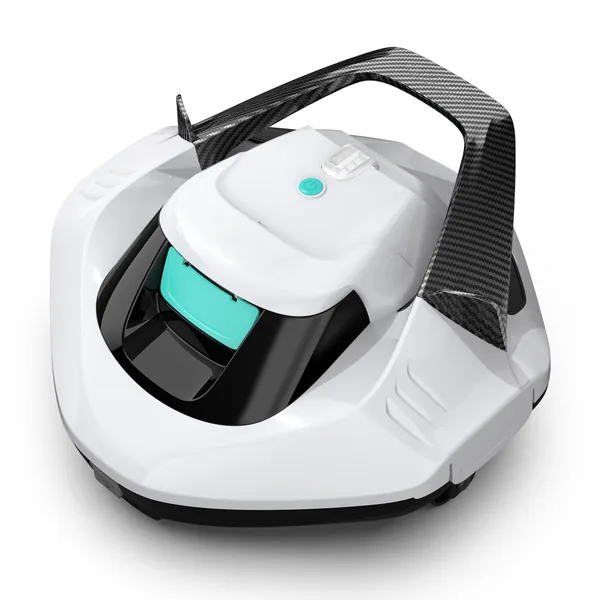
| AIPER Seagull SE | $149.98 | ✗ No | ✗ No | Small above-ground pools, cordless convenience |
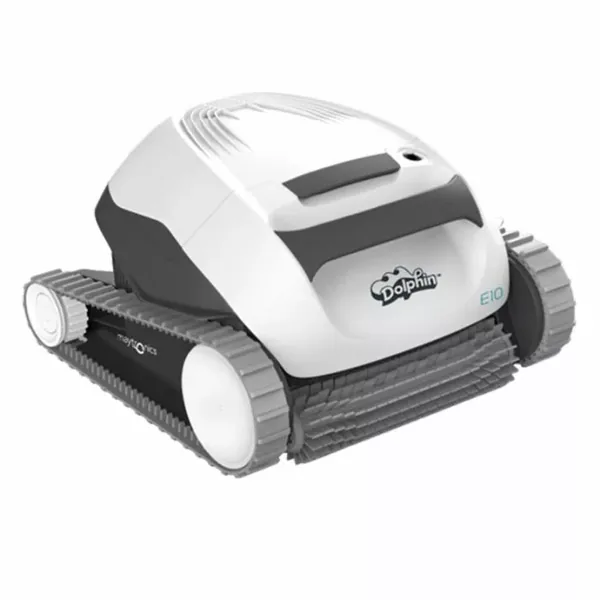
| Dolphin E10 | $399.00 | ✗ No | ✗ No | Small-medium in-ground, tight budget |
| Dolphin Nautilus CC Plus | $799.00 | ✓ Yes | ✓ Yes | Up to 50ft pools, Dolphin reliability |
| Beatbot AquaSense 2 | $849.00 | ✓ Yes | ✓ Yes | Best value 3-surface robot |
| Beatbot AquaSense 2 Pro | $1,799.00 | ✓ Yes | ✓ Yes | Demanding pools, gunite, saltwater, 3yr warranty |
The "Floor Robot + Manual Brush" Math
A Dolphin E10 at $399 plus a quality pool pole brush at $30 totals $429. If you brush walls twice a week during swim season (roughly 20 weeks), that is 40 sessions of manual brushing. If you value your time at $15/hour and each brush takes 15 minutes, that is $150/year in time cost. Over 3 years: $879 total. A Beatbot AquaSense 2 Pro at $1,799 handles walls automatically for 3 years under full warranty. For large gunite pools, the math gets much closer than most people expect.
The Best Wall-Climbing Robots
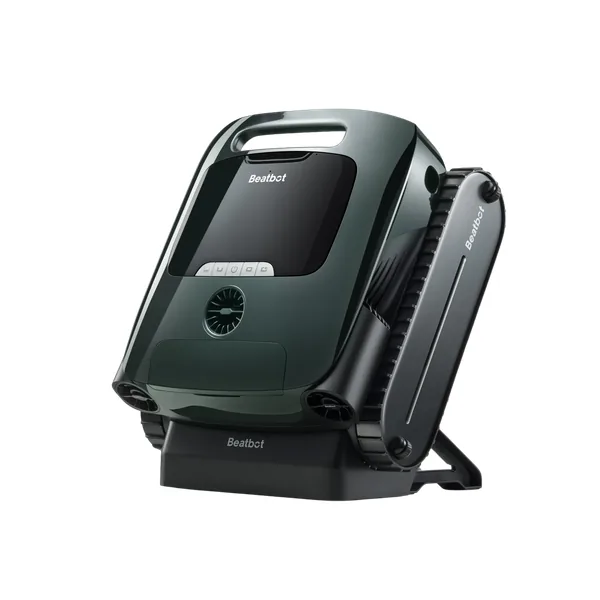
Beatbot AquaSense 2 Pro
★★★★½ 4.7/5 · 890 reviews
The AquaSense 2 Pro is the wall-climbing robot with the most documented real-world track record in this category. At 890 reviews averaging 4.7 stars, it has earned that position. It covers floor, walls, and waterline in a single automated cycle, uses a combination of suction and driven brush rollers to handle plaster and gunite, and carries a 3-year full warranty that is actually honored without hassle. The one trade-off: at $1,799 it is a significant investment, and it is corded, so pools with unusual shapes may require cable management attention.
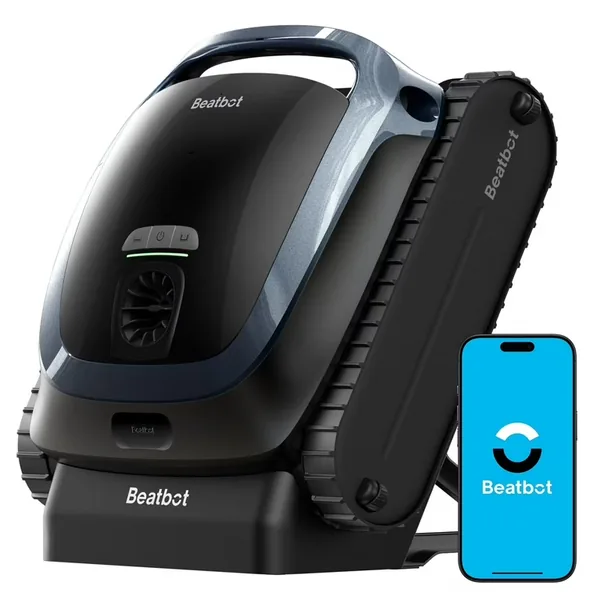
Beatbot AquaSense 2
★★★★½ 4.5/5
The AquaSense 2 is the most affordable entry into genuine 3-surface wall climbing from a brand with proven engineering. At $849, it sits $400 above floor-only competition but delivers floor, wall, and waterline coverage. It shares the core wall-climbing architecture with the Pro model. The trade-off compared to the Pro is a shorter 1-year warranty and slightly less aggressive brush pressure on heavily textured plaster. For fiberglass or smooth-finish pools, that distinction rarely matters.
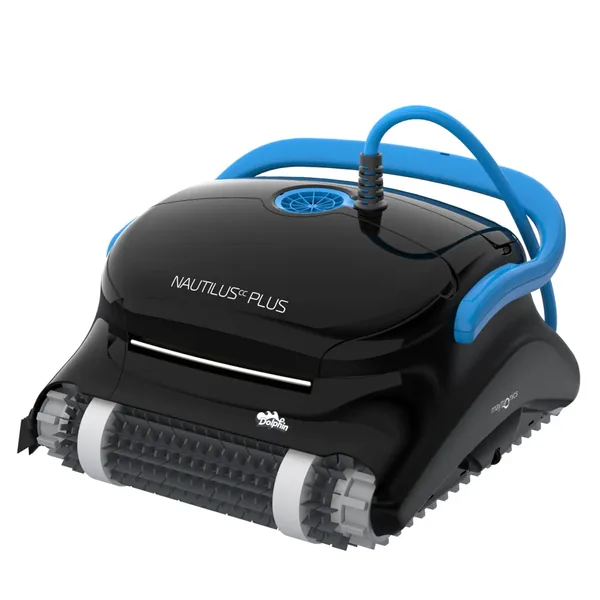
Dolphin Nautilus CC Plus
★★★★★ 4.5/5 · Thousands of reviews
Dolphin by Maytronics is the most recognized brand name in robotic pool cleaners, and the Nautilus CC Plus is their bestselling wall climber for a reason. The 50-foot swivel cable handles most residential pool layouts without tangling. At $799, it undercuts the AquaSense 2 slightly while offering solid Maytronics build quality and a 2-year warranty. The limitation is navigation: it uses a simpler scanning pattern compared to AI-mapped competitors, which can mean uneven wall coverage on irregularly shaped pools. For standard rectangular or kidney-shaped pools, it is an excellent buy.
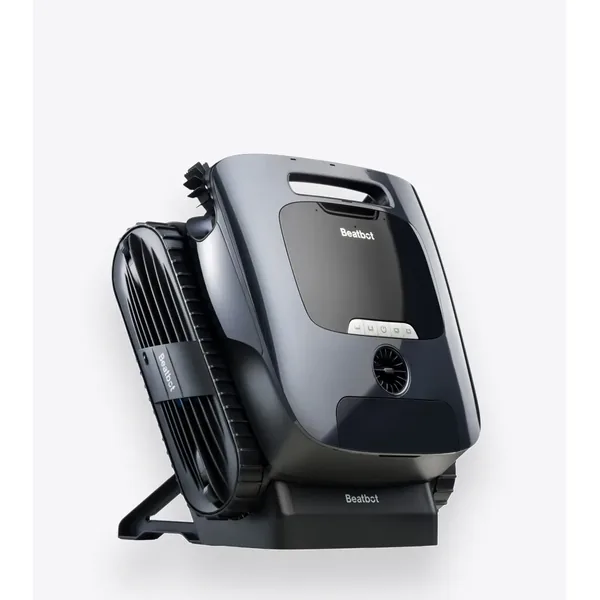
Beatbot AquaSense 2 Ultra
★★★★½ 4.4/5
The Beatbot AquaSense 2 Ultra ($2,649), it sits between the AquaSense 2 Pro and Ultra. The 2-year warranty is shorter than Beatbot's 3-year coverage at lower price points, which is a fair consideration when comparing the two.
The Best Floor-Only Robots (When That's Enough)
For many pool owners, floor-only cleaning is exactly what the pool needs. If your pool is under 25 feet, has smooth fiberglass or vinyl walls, and you have good water chemistry, a floor-only robot will keep it clean. These two models are the team at PoolBotLab's top picks when wall climbing is not a priority.
Dolphin E10
★★★★½ 4.4/5
Maytronics built the Dolphin E10 to be the reliable, no-frills workhorse for small to medium in-ground pools. It handles pools up to 30 feet, navigates systematically rather than randomly, and carries the Maytronics build quality that has made Dolphin the most trusted robotic pool cleaner brand. Floor-only means you will need to brush walls manually, but for pools where that takes 5 minutes twice a week, the E10 at $399 is the smartest spend.
AIPER Seagull SE
★★★★ 4.2/5
The Seagull SE is AIPER's cordless floor cleaner for pools up to 33 feet. Battery-powered operation means no cable to manage and easy deployment, which makes it particularly well-suited for above-ground and smaller in-ground pools. Battery life limits it to one cycle per charge, so it is not the robot for pools that need daily cleaning. For pools cleaned every 3 to 5 days, the cordless convenience is a genuine quality-of-life improvement at a price that leaves budget for a good pole brush to handle walls manually.
What to Look for in a Wall Climber
4 Specs That Actually Matter When Comparing Wall Climbers
- Drive system: 2WD vs. 4WD. Two-wheel drive is fine for smooth fiberglass and vinyl surfaces with moderate wall angles. Four-wheel drive systems like the Beatbot AquaSense 2 Ultra's quad-motor setup provide meaningfully better wall adhesion on steeply angled or rough plaster surfaces. If your pool has heavily textured gunite or steep wall transitions, 4WD is worth the premium.
- Roller brush vs. PVC paddles. Roller brushes with bristles scrub algae and calcium deposits off walls more aggressively. PVC paddle-wheel designs work better on delicate vinyl liners where over-brushing can cause damage. Check which brush type a robot ships with and whether replacement brushes are available and affordable.
- Cable management. Corded wall climbers need enough cable to reach the far end of the pool plus slack for the robot to maneuver vertically up walls. Swivel cable connectors are important: they prevent the cable from tangling as the robot changes direction. Verify that the included cable length (typically 40-60ft) covers your pool's longest dimension with at least 10 feet of overhead.
- Waterline brush coverage. Some robots are marketed as wall climbers but do not consistently reach or clean the waterline. Look for models that explicitly list waterline scrubbing in their feature set, and check user reviews for real-world confirmation that the waterline comes out clean after a cycle.
Don't Buy a Wall Climber If...
- Your pool is under 25 feet. The wall surface area is small enough that 5 minutes of manual brushing twice a week keeps it clean. Spending $400-$1,000 more on a wall climber for a small pool is genuinely not worth it. Put that money toward water quality testing or a better filter.
- You have an Intex or soft-sided above-ground pool. Soft-sided pools cannot support the suction pressure that wall-climbing robots rely on to stay attached to vertical surfaces. Wall climbers are designed for rigid pool walls: concrete, fiberglass panels, or hard vinyl shells in permanent structures.
- You are not willing to clean the robot after every run. Wall-climbing robots accumulate significantly more debris than floor-only models because they are scrubbing algae and calcium off walls. The filter basket needs to be cleaned after each cycle. Skipping that step reduces suction over time and shortens the life of the pump motor. If convenience is the priority, a floor-only robot that takes 30 seconds to empty is a more practical choice for some households.
- You already have a working pool service that brushes walls weekly. If a professional is already handling wall maintenance on a consistent schedule, a floor-only robot may handle the daily debris and sand cleanup more cost-effectively than replacing a service with a premium robot.
Frequently Asked Questions
Do wall-climbing robots work on all pool surfaces?
Most wall-climbing robots are compatible with gunite, plaster, fiberglass, and tile. Vinyl liner pools require gentler brush pressure, and not every wall climber is rated for soft vinyl. Always check the manufacturer's surface compatibility list before purchasing, particularly for older or thinner vinyl liners where aggressive brush bristles can cause abrasion over time.
Can a wall-climbing robot replace manual brushing entirely?
For most pools, yes. A robot that covers floor, walls, and waterline on a regular cleaning schedule eliminates the practical need for weekly manual brushing. Tight corners, steps, and tanning ledges may still benefit from occasional targeted brushing depending on your pool's geometry, but the weekly pole-and-brush session becomes optional rather than required.
How much more do wall-climbing robots cost than floor-only models?
Expect to pay $400 to $1,500 more for a wall climber at each tier of the market. Floor-only robots like the Dolphin E10 start at $399. Entry-level wall climbers like the Beatbot AquaSense 2 start at $849. The premium wall climbers such as the Beatbot AquaSense 2 Pro run $1,799. At the top of the market, the Beatbot AquaSense 2 Ultra reaches $2,649 for 4-surface AI-navigated cleaning.
Is wall climbing worth it for a saltwater pool?
Yes, and saltwater pools are one of the strongest arguments for wall climbing. Salt chlorination generates calcium scale at the waterline faster than traditional chlorine systems. That scale is difficult to remove once it hardens, and it becomes a recurring problem. A robot with dedicated waterline brush coverage prevents accumulation before it reaches a point where acid washing is needed. The team at PoolBotLab consistently recommends wall-climbing robots for any saltwater installation.
What is the difference between a 3-surface and 4-surface robot?
A 3-surface robot covers the pool floor, the vertical walls, and the waterline. A 4-surface robot adds active surface skimming, drawing floating debris, pollen, sunscreen oils, and organic matter off the top of the water during the same cleaning cycle. The Beatbot AquaSense 2 Ultra ($2,649) is currently the most capable 4-surface robot on the market. For most residential pools, 3-surface coverage is fully sufficient. The fourth surface becomes meaningful primarily for pools near trees, in high-pollen climates, or with heavy bather loads that leave oils at the surface.
Related Guides
Beatbot vs. Dolphin
Head-to-head: how Beatbot and Maytronics Dolphin compare across price, performance, and warranty
AIPER vs. Beatbot
Two of the strongest challenger brands in robotic pool cleaners, compared side by side
Best Robot Pool Cleaners for In-Ground Pools
The complete ranked list for in-ground pools at every budget in 2026
Best Robot Pool Cleaners for Gunite and Plaster
Plaster pools need aggressive brushing. These robots deliver it without damaging the surface