Best Robot Pool Cleaners for Saltwater Pools (2026)
Saltwater is harder on robot cleaners than most manufacturers will admit. Here is what actually holds up - and why buying the wrong one is an expensive mistake.
Saltwater pool owners get a raw deal when it comes to robot cleaner advice. Almost every buying guide treats saltwater pools as an afterthought - a checkbox in a spec table. In reality, saltwater changes everything about how a robot cleaner ages, and choosing the wrong one can mean corrosion damage within a single season.
I've spent time in saltwater pools, talked to owners who've burned through multiple robots, and dug through the warranty fine print that most people never read. Here is what you actually need to know before spending $600 or more on a robot for your saltwater pool.
Why Saltwater Is Different (And Harder on Robots)
Saltwater pools typically run at 3,000-4,000 ppm salt concentration - roughly one-tenth the salinity of ocean water. That sounds mild. But sustained exposure to even low-concentration saltwater accelerates corrosion on metal components, degrades certain rubber compounds, and can cause electrical connections to fail prematurely if they're not properly sealed.
The robots that struggle in saltwater usually fail in one of three ways:
- Corroded motor shafts: Cheaper motors use steel components that rust when the seals eventually wear. You'll notice the robot moving slower or getting stuck.
- Degraded cables: Budget cables use insulation that cracks under UV and salt exposure. A cracked cable near a pool is a safety issue, not just an inconvenience.
- Failed electrical connections: The connections between the cable, the power supply, and the robot need to be properly waterproofed. In cheaper models, saltwater finds its way in within 1-2 seasons.
The good news is that the better robots in the $600-$1,100 range are built to last in saltwater when you rinse them properly after each use. The key is knowing which ones those are.
The Rinsing Rule - Non-Negotiable for Saltwater Pools
Before the picks: regardless of which robot you buy, rinsing with fresh water after every single run is not optional in a saltwater pool. It is mandatory. Salt crystals that dry on the robot's components are far more corrosive than the diluted saltwater in your pool. Thirty seconds under a fresh hose after each run is what separates a 6-year robot from a 2-year robot.
The Best Robot Pool Cleaners for Saltwater Pools
Best Overall: Dolphin Nautilus CC Plus
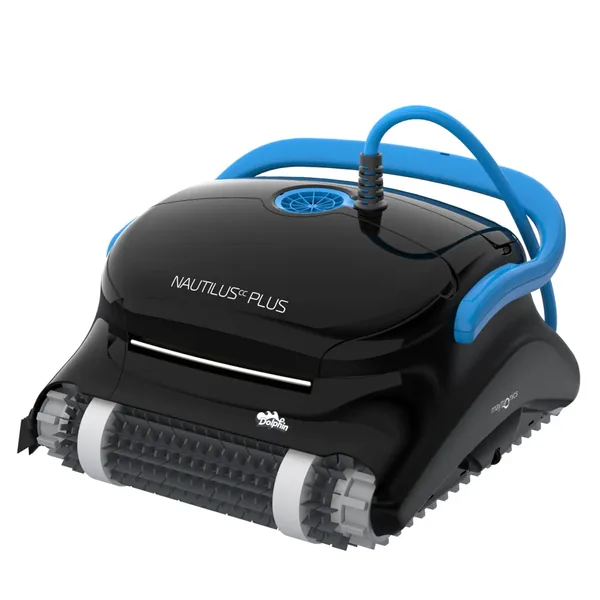
Dolphin Nautilus CC Plus
Maytronics (Dolphin's parent company) has been building saltwater-compatible robots longer than anyone else in the industry. The CC Plus uses corrosion-resistant materials throughout and has a proven track record in salt pools.
Maytronics has been making pool robots since 1983. That is not marketing trivia - it means their engineers have had decades to figure out what fails in saltwater and fix it. The Nautilus CC Plus uses sealed motor compartments, corrosion-resistant impellers, and a cable with double-layer insulation that holds up well in salt environments.
It covers pools up to 50 feet, climbs walls, has a weekly timer, and the top-load filter basket is one of the easiest to clean in the category. The two-year warranty is honored without the runaround that some budget brands pull.
Best for Walls and Waterline: Beatbot AquaSense 2 Pro
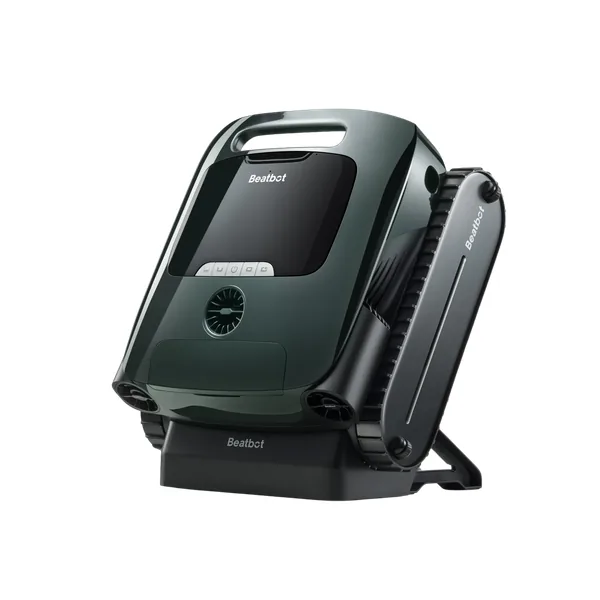
Beatbot AquaSense 2 Pro
Saltwater pools tend to develop a distinct waterline scum that chlorine pools don't get. The AquaSense 2 Pro specifically addresses this with dedicated waterline scrubbing - something most robots in this price tier skip entirely.
This is the one I'd buy for a saltwater pool that develops waterline deposits. Saltwater pools generate a specific type of scaling at the waterline from calcium and salt buildup. A floor-only robot ignores this entirely. The AquaSense 2 Pro scrubs the waterline on every pass, which in a saltwater pool makes a visible difference within the first two weeks.
It's also built with sealed electronics and corrosion-resistant housing that holds up well in salt environments. App control and scheduling are genuinely useful - you can set it to run at 5am and never think about it.
Best Cordless for Saltwater: AIPER Scuba S1
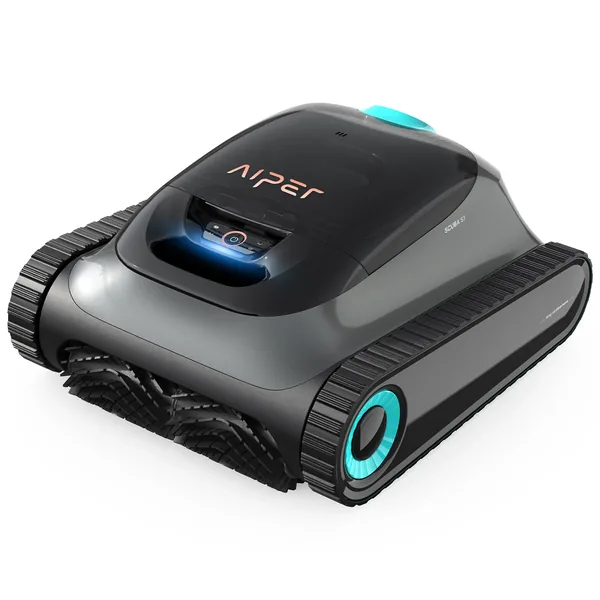
AIPER Scuba S1
No cable means no cable corrosion - which is the number one point of failure for corded robots in saltwater pools. Battery-powered and fully self-contained, this is the most salt-proof design available.
The cable is the first thing to fail in saltwater pools. No cable means no cable problem. The AIPER Scuba S1 is battery-powered and fully self-contained - drop it in, it cleans, you pull it out. The power supply never touches the pool water, which eliminates the most common saltwater failure point entirely.
It's a significant investment, but for large or complex saltwater pools where cable tangling is already a problem, the cordless design solves two issues at once. Excellent for freeform pools with spa attachments, beach entries, or lots of features.
Best Mid-Range: Beatbot AquaSense 2 Ultra
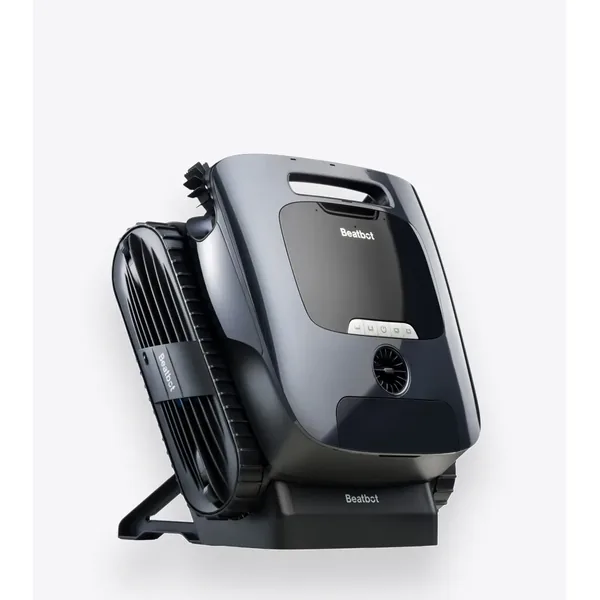
Beatbot AquaSense 2 Ultra
Full floor, wall, and waterline coverage at $250 less than the Pro. For most saltwater pools under 50 feet, this hits the sweet spot of capability and price.
If the AquaSense 2 Pro is more than you want to spend, the Ultra covers the same floor, wall, and waterline cleaning for $250 less. The primary difference is the Pro's more advanced navigation and slightly larger pool coverage. For a standard 40-50 foot saltwater pool, the Ultra is more than enough.
What to Avoid in a Saltwater Pool
Budget robots under $350 are a real gamble in saltwater environments. The seals, the cable insulation, and the motor housing on these units are designed for standard chlorine pools. In saltwater, you'll often see them start showing corrosion issues within 12-18 months - right after any warranty has expired.
The specific things to look for in the specs before buying:
- "Saltwater compatible" or "saltwater safe" should be explicitly stated, not implied
- IP rating on the electronics - IP68 is the standard you want for full pool immersion
- Cable type - look for double-insulated or marine-grade cable descriptions
- Warranty coverage - read whether saltwater use voids any part of the warranty
The Saltwater Maintenance Routine That Makes All of This Work
The robot is only half the equation. Here is the weekly routine that keeps saltwater pool robots running for years:
- After each run: rinse the entire robot with fresh water for 30-60 seconds, including the cable and connectors
- Weekly: inspect the cable for any cracking or discoloration near the connector ends
- Monthly: clean the filter thoroughly and inspect the brushes for wear (saltwater is harder on brushes than chlorine)
- End of season: store the robot indoors, not in a pool shed where it will be exposed to humidity and residual salt
Do those four things and any of the robots above will serve you well for 5-7 years. Skip the rinse step consistently and you'll be shopping for a new one in year two.