Your First 30 Days With a Robot Pool Cleaner: What to Expect
The box arrives. You tear it open. And then you realize nobody told you what comes next. Here is the honest month-by-month breakdown from people who have been through it.
The day my robot pool cleaner arrived, I read exactly zero of the manual. I pulled it out of the box, plugged it in, dropped it in the pool, and watched it go. Thirty seconds later it got stuck under the ladder. Not a great start.
The second run was perfect. The pool looked better than it had in years. By week two I had completely forgotten what vacuuming a pool by hand felt like. By week four I had a routine dialed in that took me about four minutes of actual effort per week.
That arc - chaos, then delight, then autopilot - is pretty much universal for new robot pool cleaner owners. Here is what to expect at each stage, and how to skip the frustrating parts.
Remove Everything From the Pool First
Before the robot goes in, clear the pool of anything that could jam it: toys, float noodles, ladders if they're removable, any rogue pool covers. The robot will find a way to tangle with anything you leave in there, and the first run should be a clean test, not a rescue mission.
Check your pool chemistry too. pH between 7.2 and 7.8, chlorine between 1-3 ppm. You don't want the robot's seals and brushes hitting water that's been neglected. Get the chemistry right first, then drop the robot in.
The First Run Will Look Chaotic
Most robot pool cleaners navigate by systematically covering the floor in overlapping passes. The first time you watch it, it looks completely random. It bumps a wall, pivots, goes the other direction, bumps again. You'll be tempted to pick it up and redirect it. Don't. It's mapping the pool. Let it finish the full cycle.
That first cycle will take 2-3 hours for a standard pool. When it's done, pull it out, open the filter basket, and prepare to be mildly horrified by what it collected. Sand, algae film, hair, mystery grit - all of it will be in there. That was in your pool before. Now it's not.
Figure Out Your Cadence Early
Most pools do well with 2-3 runs per week. If you have heavy tree coverage, lots of swimmers, or a pool that sits in direct sun all day (algae loves that), lean toward 3. If it's a low-traffic pool in a clean yard, twice a week is plenty.
The robots with built-in weekly schedulers are worth the extra cost for exactly this reason. The Dolphin Nautilus CC Plus lets you set a cleaning schedule directly from the unit - no app needed. Set it and forget it. It runs while you sleep.
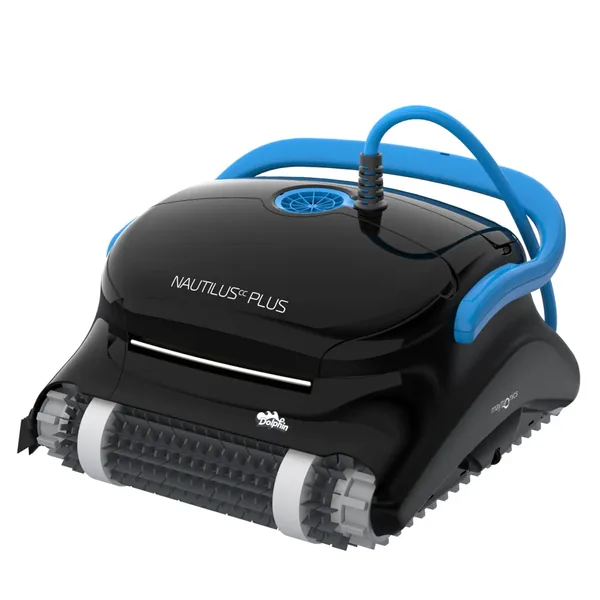
Dolphin Nautilus CC Plus
Built-in weekly scheduler, top-load filter basket, and wall climbing. The most popular choice for pool owners who want reliability without fuss.
Clean the Filter After Every Run - At Least for Now
In the first couple of weeks, clean the filter every single time. The pool is shedding years of accumulated grime, and the filter fills faster than it will once you're in maintenance mode. Two minutes under the hose, done.
After week two, you'll get a feel for how fast your filter fills. Some pools need it cleaned after every run forever. Others can go two or three runs between cleanings. You'll figure out your pool's rhythm quickly.
Your Pool Will Look Different
By the end of the second week, most people notice something surprising: the pool looks better than it did with a professional service. Not a little better. Noticeably better. The waterline is cleaner, the floor has no debris film, the walls are brighter.
This happens because the robot runs more frequently than a weekly service visit, which means debris gets removed before it has time to settle and stain. Consistency beats intensity every time in pool cleaning.
You'll Start Getting Comfortable With the Caddy System
Every quality robot cleaner comes with a storage caddy or hanging system. By week two, the routine should feel natural: run ends, pull the robot up, rinse it with the hose for 30 seconds, hang it on the caddy in the shade. Takes under two minutes. This routine is what keeps a robot running for 5-8 years instead of 2-3.
If your robot didn't come with a good caddy, or if storage space is tight, the Beatbot AquaSense 2 Pro comes with a premium transport and storage system built in. It's the detail that makes daily use significantly easier.
Adjust Your Chemical Routine
A robot pool cleaner changes how your pool chemistry behaves. Because it's circulating water more frequently and removing organic debris (the stuff that eats chlorine), many owners find they use 15-20% less chlorine than before. Test your water more carefully in the first month and adjust your dosing down as needed. Over-chlorinating is a common first-month mistake as people keep their old chemical habits.
Decide If You Need an Upgrade
After 30 days, you know your robot. You know whether it handles your walls the way you expected, whether the filter system works with your pool's debris type, whether the cable length is actually enough. If something is consistently frustrating you, now is the time to act while everything is still fresh.
The two upgrades people most commonly make after their first robot:
- Wall and waterline cleaning: If you bought a floor-only model and your walls are still needing manual brushing, the Beatbot AquaSense 2 Ultra handles the full picture.
- App control and scheduling: If you want to start and stop runs from your phone and build a real weekly schedule, look at models with WiFi connectivity. The Beatbot lineup and newer Dolphins all offer this.
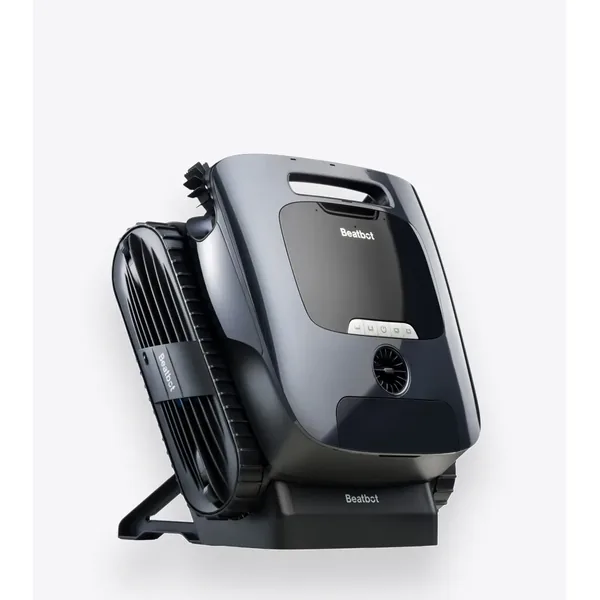
Beatbot AquaSense 2 Ultra
Floor, walls, and waterline. App-controlled scheduling. The robot people upgrade to when they realize their first one only does half the job.
What a Good Month-One Routine Looks Like
By day 30, most owners have landed on something like this:
- Robot runs Tuesday and Friday nights on a timer (no manual involvement)
- Filter cleaned Wednesday mornings and Saturday mornings - two minutes each
- Water chemistry tested once a week on Sunday, adjusted as needed
- Total active time per week: about 10 minutes
That's it. A pool that used to need 45-60 minutes of vacuuming per week, or a $140 biweekly service visit, now runs on about 10 minutes of actual effort. Most of that is rinsing the filter. The robot does the rest.
Still Shopping? Start Here.
If you are still deciding which robot to buy, the Dolphin Nautilus CC Plus is the easiest starting point for most pools - reliable, well-supported, and genuinely great at its job. For larger pools or if wall coverage matters, the Beatbot AquaSense 2 Pro is what I'd buy if I were starting over with a bigger budget.
Either way: month one goes faster than you think. By week four, the robot is just part of the pool. You stop thinking about it. That's exactly what it should feel like.