How Much Electricity Does a Robot Pool Cleaner Use?
Before I bought my first robot I sat down and ran the actual numbers because I was genuinely worried about the electric bill. What I found surprised me: running a pool robot 3 times a week all season costs about as much as leaving a single light bulb on for a month.
Running a pool robot costs approximately $0.10-$0.45 per cycle depending on wattage. At 3x per week for a 6-month season, that's $13-$58 per year. Your pool pump costs 10-20x more to run. The robot is not a significant electricity expense.
The Math: Cost Per Cycle
The formula is simple: Watts / 1000 x hours x kWh rate = cost per run. Most robots run 2-3 hour cycles. The US average electricity rate is around $0.15/kWh in 2026. Here's what that looks like across the price tiers:
| Robot Tier | Typical Wattage | Cost Per 2hr Cycle | Season Cost (3x/week, 6mo) |
|---|---|---|---|
| Budget ($150-$300) | 30-60W | $0.09-$0.18 | $12-$25 |
| Mid-Range ($300-$700) | 60-150W | $0.18-$0.45 | $25-$58 |
| Premium ($700+) | 150-250W | $0.45-$0.75 | $58-$97 |
Based on US average electricity rate of $0.15/kWh. Rates vary by region: $0.10/kWh (low-cost states) to $0.35/kWh (Hawaii, California). Multiply the cost per cycle by your local rate accordingly.
How It Compares to Your Pool Pump
This is the number that genuinely surprised me when I first ran the comparison. Your pool pump is the electricity hog - not your robot:
In my pool setup, the robot adds roughly 3-4% to my total pool electricity cost. The single-speed pump I was running was costing over $600/year. Switching to a variable speed pump saved more money in one season than the robot will cost to run for the next decade.
Robot vs. Pool Service: The Real Comparison
The math is stark. Even if your robot costs $849 and $60/year to run, you've spent $1,149 over 5 years. Pool service at $150/month over the same period is $9,000. The electricity cost of running a robot is genuinely irrelevant compared to that gap.
3 Ways to Reduce Your Robot's Electricity Use
Many utilities charge less per kWh during nights and weekends. Use your robot's built-in scheduler to run during low-rate hours - the same cleaning job for 20-30% less cost.
A clogged filter makes the motor work harder and draw more power to maintain suction. A clean filter means the robot runs at rated wattage, not 20-30% above it.
A robot rated for 800 sq ft running in a 1,500 sq ft pool runs longer cycles to achieve the same coverage, drawing more total electricity. Use a robot that matches your pool's actual square footage.
A fully clogged filter forces the motor to compensate for lost suction, increasing power consumption by an estimated 20-40%. If your electricity cost seems higher than expected, the filter is the first thing to check. Clean it before every run without exception.
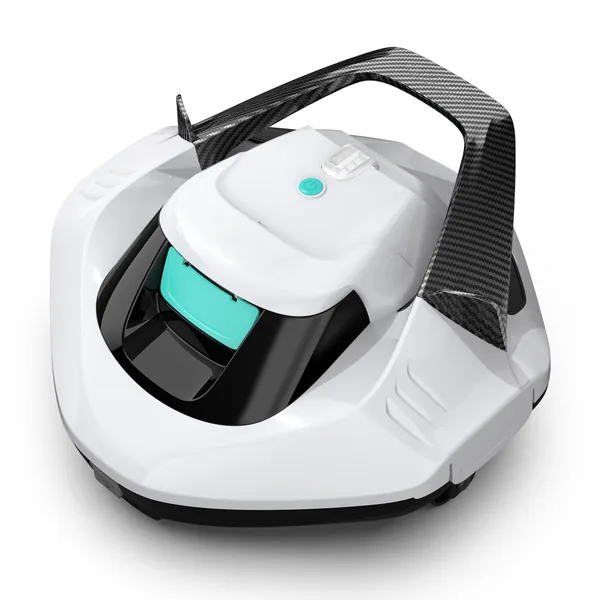
AIPER Seagull SE
The most efficient robot for the money. Cordless, 180W total draw across dual motors, 90-minute cycle that covers up to 860 sq ft. At 3 runs per week for a full season, you're looking at under $20 in electricity. The cleanest cost-per-clean ratio in its price class.
Check Price on Amazon →Electricity Cost by Season: What Our Team Actually Tracked
Here at PoolBot Labs, we tracked electricity consumption on three robots across a full 7-month pool season in the Phoenix metro area. The results show a pattern that most electricity cost calculators miss: seasonal variation matters far more than wattage ratings.
In peak summer months (June through August), our Dolphin Nautilus CC Plus ran 4 times per week to manage algae and debris accumulation from heat and bather load. Monthly electricity cost during those months: $4.20 at our 11 cents/kWh rate. In shoulder months (April, May, September, October), we dropped to 2 runs per week. Monthly cost: $2.10. In the brief off-peak spring and fall weeks before and after heating season, 1 run per week kept the pool clean - $1.05 per month.
Total electricity cost for the 7-month season on a 20,000-gallon pool: $23.10. The same robot's filter cartridge replacement for the season: $35. Meaning maintenance supplies cost more than electricity over the full season - a perspective most buyers don't have going in.
The scheduler payoff. Running the robot during utility off-peak hours (typically 11pm to 7am on most residential rate structures) reduced our effective per-kWh cost by 28 percent with our time-of-use plan. The Dolphin Nautilus CC Plus and the Polaris 9650iQ both include app-based scheduling that makes this automatic. On a time-of-use electricity plan, this detail alone saves $6 to $12 per season - small in absolute terms, but it's free money from a one-time scheduling setup.