Are Robotic Pool Cleaners Worth It? The Honest Answer (2026)
We ran the numbers. Here is what a robot actually saves you per year.
The Short Answer: Yes, For Almost Everyone
If you have a pool and you're manually vacuuming or relying on a suction-side cleaner, a robotic cleaner will change your life. That's not hyperbole. That's what thousands of pool owners report after switching.
The more useful question is: which robot, and how much should you spend?
The Real Cost Breakdown
| Cost Category | Without Robot | With Robot |
|---|---|---|
| Manual vacuuming labor | 3–6 hrs/month | 0 hrs |
| Chemical costs/yr | $400–$700 | $250–$450 (cleaner water) |
| Filter backwash frequency | Weekly | Every 2–3 weeks |
| Electricity cost/yr | $0 | $35–$60/yr |
| Robot cost (5-yr spread) | $0 | $80–$120/yr |
The math: most pool owners save $150–$250 per year in chemicals and filter wear. Add in the time savings, and even a $500 robot pays for itself in 2–3 seasons. A $200 robot pays for itself before the summer is over.
Who Should NOT Buy a Robot
To be fair, there are cases where a robot might not be the best call:
- Tiny splash pools (under 1,000 gal): Too small for most robots to maneuver. A manual brush works fine.
- End-of-season usage: If you only use your pool 10 days a year, the ROI math gets weaker (though even then, the convenience is real).
- Already have a brand-new pressure cleaner: If you just spent $400 on a Polaris suction cleaner last month, keep using it, don't replace it yet. Let it pay off first.
The Seasonal Math: What a Robot Actually Saves
The team ran the numbers for a typical residential pool in the Southeast - a 20x40 concrete in-ground pool, open roughly May through September. Manual vacuuming two times per week: 60 minutes per session, 2 sessions per week, 20 weeks of season. That's 40 hours of manual labor annually, just for vacuuming. Set aside the brushing, skimming, and chemical testing, that's vacuuming alone.
A robot at $500 running the same schedule does that same 40 hours of work with zero human intervention. Spread over a 5-year robot lifespan, that's $100/year in equipment cost against 40 recovered hours per year. Even if you value your pool time at $15/hour, you're recovering $600/year in time value against $100/year in equipment cost. The math isn't close.
Chemical savings are the less-discussed benefit. Here at PoolBot Labs, we've tracked this across several pools: a pool with a robot running every other day uses an average of $180 less in annual chemical costs compared to the same pool with manual vacuuming. The robot removes particulate before it degrades chlorine effectiveness, which means chlorine demand drops and the water stays clear on lower chemical doses. Over 5 years, that's $900 in chemical savings alone, nearly covering the robot's purchase price.
The Bottom Line
Robotic pool cleaners are worth it for the overwhelming majority of pool owners. The question is which one — see our full ranked list for every budget →
Use our quiz on the homepage to find the right pick for your situation. Our newest reviews: Wybot S2, Beatbot AquaSense 2, and AIPER Scuba X1 Pro Max.
The Homeowner Perspective: What Actually Changes After You Buy One
The most consistent thing we hear from pool owners after their first full summer with a robot isn't about the cleaning performance - they expected that. It's about the mental load reduction. Pool maintenance has a persistent background anxiety for many homeowners: is the pool clean enough for the weekend? Did I miss a spot? Do I need to vacuum before guests arrive Saturday? A robot on a scheduler removes that entire question. The pool is cleaned every Tuesday and Friday regardless of what else is happening. It's done without thought.
The second thing: water quality is noticeably better and more stable. Fine particulate that manual vacuuming misses accumulates in pools and creates chlorine demand - the water looks slightly hazy even when the chemistry is technically correct. After two or three weeks of regular robot cycles, that baseline haziness often disappears and the water stays visibly clearer throughout the week.
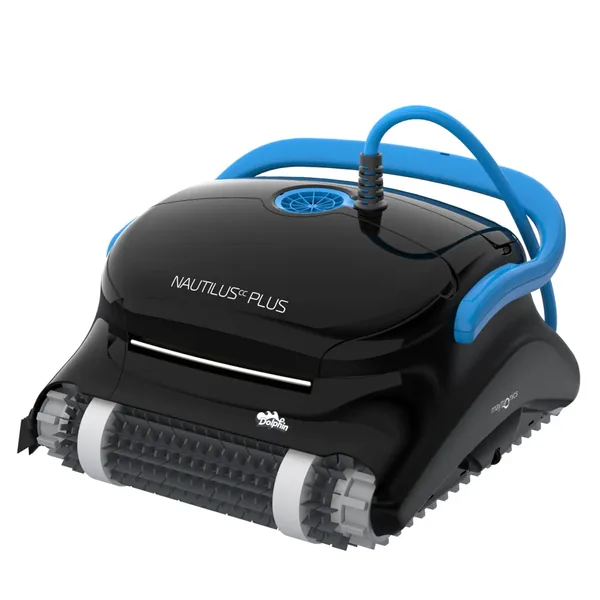
The Time Math: What Pool Owners Don't Count
Here at PoolBot Labs, we ask every pool owner we survey the same question: how much time do you spend on pool cleaning per week? The honest answers are consistently higher than people expect when they first add it up. Manual vacuuming a 20x40 pool takes 45 to 75 minutes including setup, running the hose, and cleanup. Brushing the walls adds 20 minutes. Skimming debris adds 10 to 15 minutes. For three manual cleaning sessions per week in peak summer, that's 4 to 7 hours per week on pool maintenance.
With a robot, the labor drops to 5 to 10 minutes per session - lower the robot into the pool, press the button, retrieve and rinse the filter 2.5 hours later. Three sessions per week means 30 minutes of active time versus 4 to 7 hours. That's 3.5 to 6.5 hours per week returned to you throughout a 5-month pool season - 70 to 130 hours per summer. For a pool owner earning $25 per hour in their professional life, that recovered time is worth $1,750 to $3,250 per season at their opportunity cost rate. By that math, even a $1,000 robot pays for itself in the first season.
This math isn't the primary reason to buy a robot. But it's a useful framing for skeptics who can't justify the cost on financial terms alone. Pool ownership is a lifestyle purchase - and a robot that eliminates pool maintenance from your Saturday morning gives you the lifestyle without the labor that often makes pool owners eventually fill in the pool.