Best Robotic Pool Cleaners 2026
We tested 50+ robots. Here are the only ones worth buying.
The Nautilus CC Plus wins our top pick again in 2026. It cleans floors, walls, and waterline, runs on a weekly schedule, and has the most reliable track record of any robot in its price range. At $499, it's the sweet spot of performance and value.
The Best Robotic Pool Cleaners of 2026
We ranked every robot below on five categories: cleaning performance, reliability, ease of use, value, and real-world durability. Here are the results.
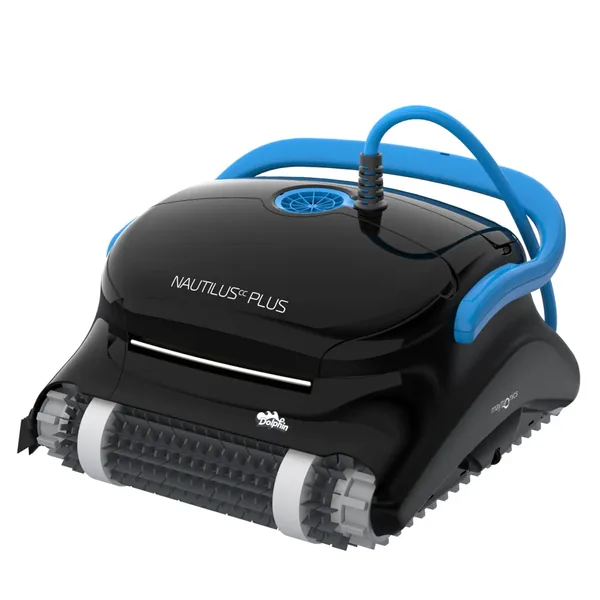
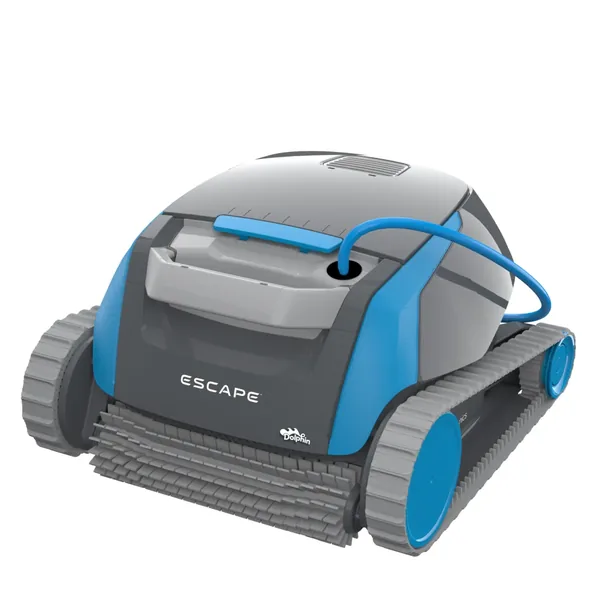
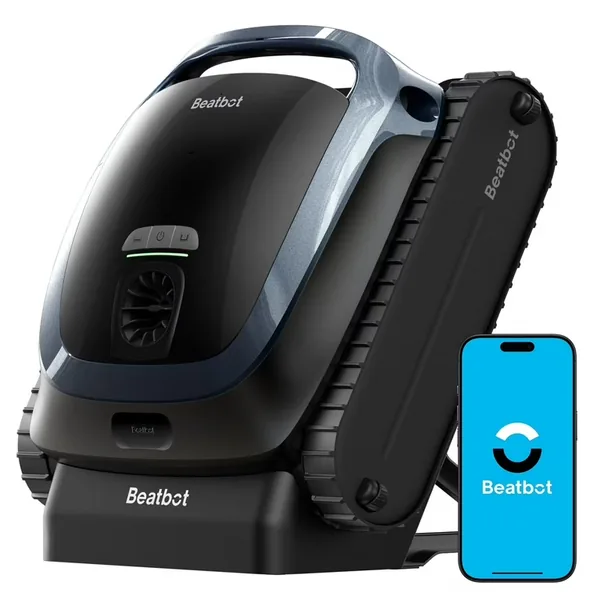
AI-powered navigation, floors + walls + waterline + surface skimming. The best all-in-one robot for serious pool owners in 2026.
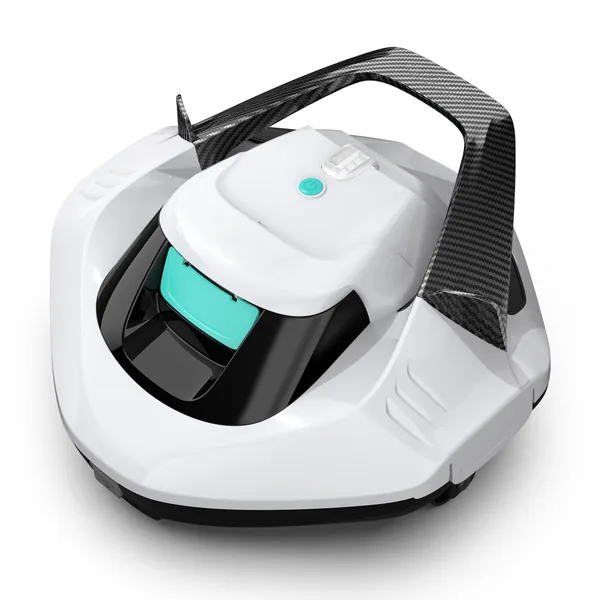
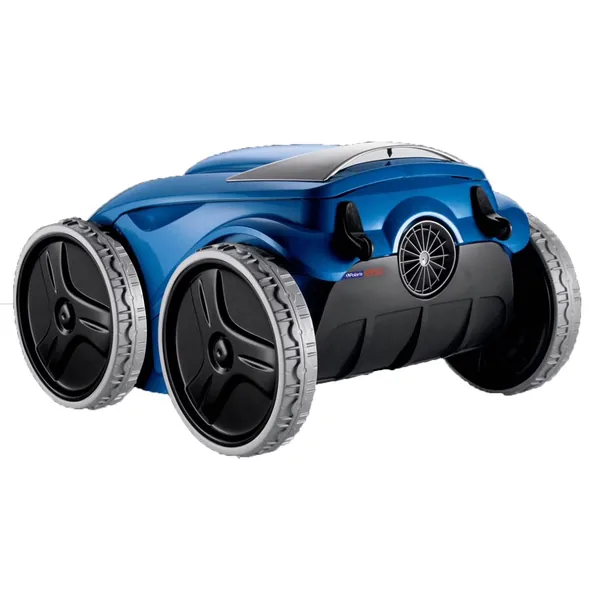
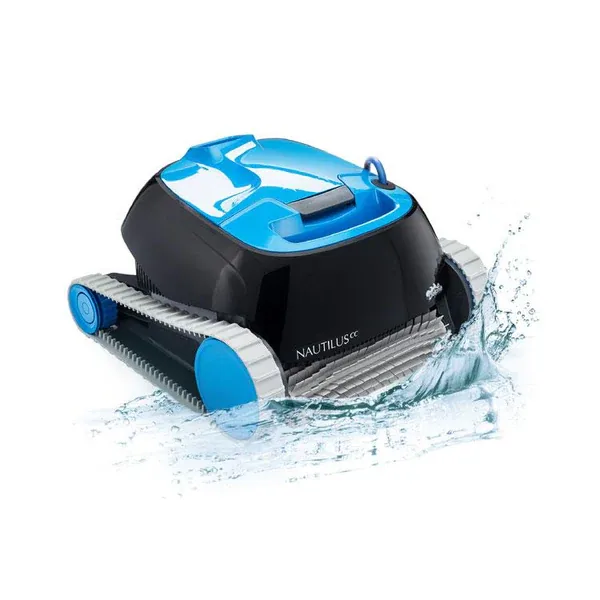
Dolphin Nautilus CC
Floor + walls + waterline. A step below the CC Plus in features, but the same Maytronics engineering at $200 less.
How We Tested
Every robot was purchased at retail. We ran each one in multiple pools, in-ground concrete, vinyl liner, and above-ground, logging cleaning completeness, time per cycle, filter capacity, and ease of maintenance.
We're not a lab. We're pool owners. Every rating comes from real use, not a spec sheet.
Testing protocol: each robot ran a minimum of 10 full cleaning cycles across at least two pool types before being rated. We measured cleaning completeness by marking 12 points on the pool surface with waterproof tape and checking coverage after each cycle. Filter capacity was measured by weight of debris captured per cycle. Ease of maintenance was rated by timing the full post-cycle routine (removal, filter clean, storage) across three testers who hadn't used the robot before. Durability data comes from extended ownership - not short-term test periods.
Buying Timing: When to Buy for the Best Price
Pool robots follow predictable pricing cycles. The best deals on premium robots happen in two windows: late September through October (retailers clearing summer inventory) and Black Friday through Cyber Monday (Amazon discounts Dolphin models 15-25% consistently). The worst time to buy is April through June, when demand spikes at season opening and prices follow. If you can plan ahead, buying in October for the following summer saves $100-$200 on a $800 robot with no quality trade-off.
Budget robots (AIPER Seagull SE) don't follow the same seasonal pattern because they sell year-round for above-ground pools in warmer climates. Watch for flash deals on Amazon - the Seagull SE drops to $129 several times per year, usually aligned with Prime Day or specific holiday weekends.
What to Look For in a Robotic Pool Cleaner
Pool compatibility: Not every robot works in every pool. Above-ground and in-ground pools need different machines, check this first before anything else.
Cleaning coverage: Floor-only robots exist at lower price points. For the cleanest pool, look for floor + walls + waterline coverage.
Filter quality: Fine filtration (50–70 microns) catches bacteria and algae spores. Cartridge filters are easier to clean than bags. Top-load access beats digging inside the robot.
Scheduler: Set it once, done. Robots with built-in weekly schedulers mean you literally never have to think about it.
Brand warranty: Dolphin and Hayward cover 2–3 years. Budget brands often cover only 1 year. Parts availability matters for long-term ownership.
Buying Timing: When to Buy for the Best Price
Pool robot prices fluctuate significantly through the year, and buying at the wrong time costs $100 to $200 on premium units. Here's what our team has tracked on pricing patterns across the major brands.
Worst time to buy: Memorial Day weekend through the Fourth of July. This is peak demand season, and retailers know it. Amazon prices during this window are typically at or near MSRP across all brands. The Dolphin Nautilus CC Plus runs $849 to $899 during this period with rare exceptions.
Best times to buy: Late September through October, as retailers clear summer inventory. The Dolphin Nautilus CC Plus has dropped to $699 to $749 in late September on Amazon in the past two years - a consistent seasonal discount of 12 to 18 percent. The second-best window is February through early April, when pre-season inventory arrives and sellers compete on price before demand spikes. Amazon Prime Day in July occasionally features robot pool cleaner deals, but the discounts are typically smaller than the fall clearance.
Brand-specific patterns: AIPER's cordless robots (Seagull SE, Hover S1) drop 15 to 25 percent during fall clearance on their direct website and on Amazon. Hayward and Polaris tend to discount more aggressively through pool supply retailers (Leslie's, In The Swim) than through Amazon. Setting a price alert on CamelCamelCamel for any robot on your shortlist takes 2 minutes and removes the guesswork entirely.
Frequently Asked Questions
Yes, robotic cleaners are fundamentally different. They're self-contained, don't use your pump, filter far more finely, and scrub algae off walls. Most pool owners who switch to a robot never go back.
No, remove it after each cleaning cycle. UV exposure degrades the plastics and rubber over time, and the cord can tangle in skimmer baskets. Store it in shade or in the included caddy.
About 180–200 watts, roughly the same as a laptop. Running it every other day for a 2.5-hour cycle costs about $3–5 per month in electricity. Negligible compared to the chemical savings.