Best Cordless Robotic Pool Cleaners 2026
No cord, no tangles, no hassle. Here are the best cordless pool robots.
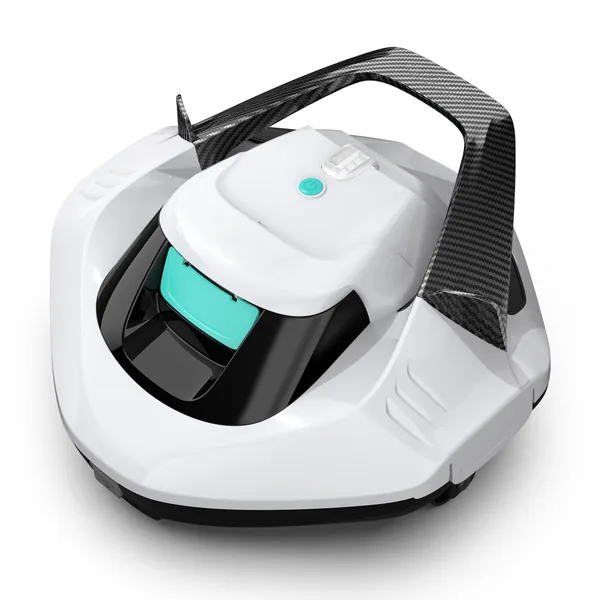
Best cordless robot under $200. 90-minute run time, auto-parks at pool edge when done, and genuinely works. For above-ground pools and smaller in-ground pools, it is the easiest robot experience money can buy.
Best Cordless Pool Robots Ranked
Cordless pool robots are powered by a rechargeable battery, no power cord running to an outlet, no tripping hazard, no cord tangling. The trade-off is battery capacity: most cordless robots run 60–90 minutes per charge, which works for pools up to ~18,000 gallons.
Cordless vs Corded: When It Matters
- • Your pool is 18,000 gal or less
- • It's an above-ground pool (no outlet nearby)
- • You want zero cord management
- • You have kids or pets who might trip on cords
- • Your pool is over 20,000 gallons
- • You need wall-climbing performance
- • You want a weekly scheduler
- • You have a long/irregular pool shape
Battery Life: What to Expect
Current cordless pool robots run 60–90 minutes per charge. That covers:
- Round/oval above-ground pools (12–18 ft): One full charge = complete cleaning cycle
- Rectangular above-ground (10×20 ft): 90-minute models complete the job
- Small in-ground (under 15,000 gal): May need two runs on different days to fully cover
- Large in-ground: Cordless is not recommended, go corded
Most units recharge fully in 3–4 hours via a USB-C style cable or dock.
Real-World Battery Life: Pool Size vs. Charge Time
The 90-minute spec on the AIPER Seagull SE is accurate in testing. Here's how that translates to real pool sizes, because a spec number only matters if it covers your pool. A 12-foot round above-ground pool covers roughly 113 sq ft. One charge completes the cycle with time to spare. A 16x32 rectangular above-ground covers about 512 sq ft - one charge handles it. An oval 18x33 pool is the outer edge of comfortable; the robot will complete the cleaning but the battery will be depleted. Anything larger than that needs two charges over two sessions, or you're looking at a corded robot.
Recharge time runs 3-4 hours via the included adapter. The smart approach: run the robot right after you get out of the pool, let it charge while you're inside, then lift it out before your next swim session. That's the routine that makes a cordless robot effortless rather than inconvenient.
One thing the spec sheets don't tell you: cold water reduces battery performance. At water temperatures below 60°F (early spring or late fall in most climates), expect about 15-20% shorter run times. For most homeowners this doesn't matter - you're not swimming in 58-degree water anyway - but it's worth knowing for early-season openings and late-season closings.
When to Upgrade from Cordless to Corded
Here at PoolBot Labs, the team recommends cordless robots without hesitation for pools under 18,000 gallons. Above that, the math shifts. A 40-foot pool needs about 120-150 minutes of continuous robot operation to fully clean the floor, walls, and waterline. The current battery ceiling for cordless robots is about 150 minutes (Beatbot AquaSense 2). That's achievable, but leaves no margin for particularly dirty days when the robot slows down or reverses more frequently due to heavy debris.
The other reason to go corded: wall-climbing performance. Cordless robots are lighter and their wall-climbing suction is good but not equal to premium corded units. If you have a plaster in-ground pool with algae on the walls, the Dolphin Nautilus CC Plus at $849 will scrub more aggressively than any cordless robot currently on the market. Cordless is catching up fast - the Beatbot AquaSense 2 is genuinely competitive - but corded still holds the edge on heavy-duty wall scrubbing.
Charging and Battery Care: What We've Learned Over Multiple Seasons
Cordless pool robots use lithium-ion battery packs in an inherently hostile environment: wet, often chemically rich water, heat exposure from summer sun, and regular charge cycles that stress the cells over time. Getting maximum battery life requires understanding how these packs degrade and what practices extend their useful life.
The most damaging habit is leaving a cordless robot charging after it has fully charged. Lithium-ion cells degrade faster when held at 100 percent charge for extended periods - keeping them at 80 to 90 percent for storage extends pack life significantly. Most cordless robots don't have smart charging management that prevents this. Our team's practice: plug in after the cleaning cycle, set a phone alarm for the expected charge completion time (typically 3 to 4 hours), and unplug when done rather than leaving it overnight.
Temperature matters more than most owners realize. Charging a cold battery (pulled from water below 50 degrees Fahrenheit in early spring) at full rate damages the cells. Let the robot warm to room temperature for 20 to 30 minutes before plugging in. Similarly, charging a battery that's hot from a summer cleaning cycle in direct sun causes stress - move it into shade or indoors for 15 minutes first.
Off-season storage for the battery: store at 40 to 60 percent charge, never fully depleted. A fully discharged lithium pack left for 5 to 6 months falls into deep discharge, which is often permanent damage. If you're closing the pool in October, run the robot until its battery is around half, then store it indoors at room temperature. Check the charge level once or twice over the winter and top up if it drops below 20 percent.