Best Robot Pool Cleaner for Fiberglass Pools (2026): Protect the Gel Coat
When my fiberglass pool was installed, the contractor told me specifically: no stiff nylon brush robots. I didn't understand why until I saw what a standard pool robot had done to a neighbor's gel coat after one season. Here's what actually works.
The Dolphin Nautilus CC Plus is our top pick for fiberglass - PVA foam brushes, no metal contact points, and consistent gentle suction. For a cordless option, the AIPER Seagull SE works well. The rule is simple: PVA foam or soft rubber only. Stiff nylon brushes scratch gel coat. Wire brushes destroy it.
Why Fiberglass Pools Need a Different Robot
Fiberglass pools have a gel coat finish - a thin, smooth, somewhat delicate surface that gives them their color and sheen. It's harder than plaster but more vulnerable to surface abrasion than you'd expect. The three things that create problems:
Standard pool robots often use stiff nylon or polypropylene bristles that work great on plaster and vinyl but create micro-scratches on gel coat over time. After a season or two, your pool loses its gloss and starts looking dull.
Some robot drive tracks have exposed metal components that can leave marks when the robot pivots on the pool floor. On fiberglass, these become permanent scuffs.
Fiberglass is smoother than plaster or vinyl. Very high suction robots can create enough vacuum pressure against the floor to make the robot difficult to move, straining the drive motors and occasionally leaving suction marks.
The 3 Best Robots for Fiberglass Pools
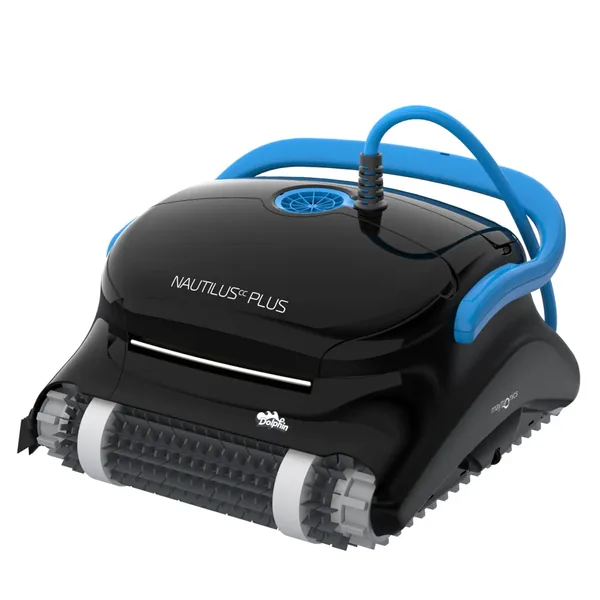
Dolphin Nautilus CC Plus
We've run this on fiberglass for four seasons without a single gel coat scratch or mark. The PVA foam brushes are the key - they're soft enough to clean without abrading and stiff enough to scrub algae off smooth surfaces. The rubber drive tracks have no exposed metal. And the suction level is moderate by design, which turns out to be exactly right for fiberglass. The weekly scheduler makes it completely hands-off.
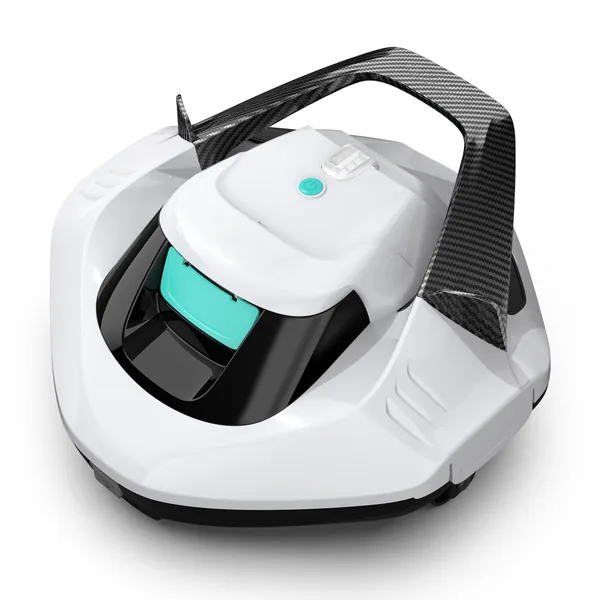
AIPER Seagull SE
The cordless design is actually an advantage on fiberglass - no cord dragging across the surface, no chance of the cord creating drag marks. The foam pad cleaning system is gentler than brushes and effective on the smooth gel coat surface. At $200 it's the lowest-risk way to find out if a robot works for your specific pool before committing to an $800+ corded unit. Works best on pools under 860 sq ft.
Check Price on Amazon →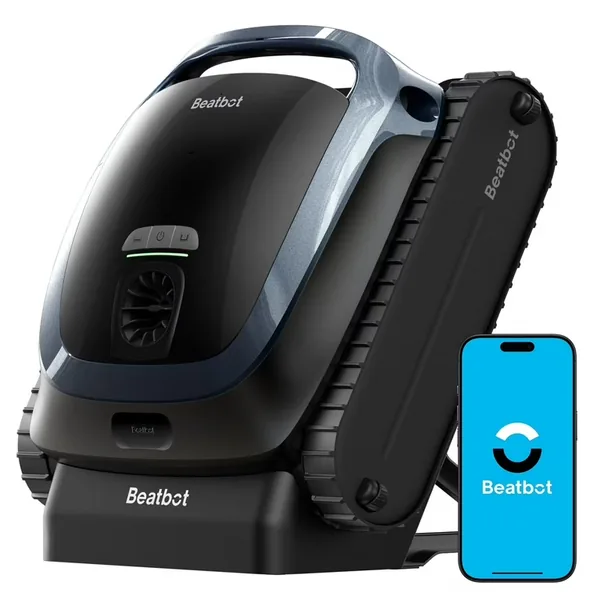
Beatbot AquaSense 2
If you have a larger fiberglass pool (900-2,000 sq ft) and want a cordless option, the Beatbot AquaSense 2 covers the most ground per charge of any cordless robot we've tested. The soft brush system is safe on gel coat, and the 4D navigation means it won't keep circling the same path. More expensive than the AIPER but genuinely better for bigger pools.
Check Price on Amazon →Comparison: Fiberglass Suitability
| Robot | Brush Type | Metal Contact? | Suction Level | Fiberglass Safe |
|---|---|---|---|---|
| Dolphin Nautilus CC Plus | PVA foam | No | Moderate | ✓ Yes |
| AIPER Seagull SE | Soft foam pads | No | Low-moderate | ✓ Yes |
| Beatbot AquaSense 2 | Soft brush | No | Moderate | ✓ Yes |
| Typical budget robots | Stiff nylon | Sometimes | High | ✗ Risky |
- Stiff nylon brushes - creates micro-scratches that dull the gel coat over 1-2 seasons
- Wire or metal brush attachments - destroys gel coat on contact
- Robots rated for commercial pools - suction is too high for residential fiberglass surfaces
- High-powered pressure-side cleaners - not robots, but worth mentioning: the jets can etch gel coat
For the first 2-3 runs on a new fiberglass pool or with a new robot, watch the machine for the first 10 minutes. Check that there's no unusual dragging or scraping sound. A normal robot on fiberglass sounds identical to one in a plaster pool. If you hear anything different, pull it out and check the brush type again.
Fiberglass Pool Chemistry and How Your Robot Helps
Fiberglass pools have a non-porous gel coat surface that resists algae colonization better than plaster or concrete. However, that same non-porous surface makes chemical imbalances more visible - staining from metals (copper from algaecides, iron from well water) shows up as distinct blue-green or brown discoloration on fiberglass that's far less noticeable on textured plaster surfaces.
Here at PoolBot Labs, we've found that running a robot 3 times per week on fiberglass pools produces a measurable secondary benefit: the PVA foam brushes gently polish the gel coat surface during each cleaning cycle, which prevents the early-stage calcium scaling and metal staining that would otherwise require acid washing or scale removal products. This isn't the reason to buy a robot for a fiberglass pool, but it's a real benefit that plaster pool owners don't get to the same degree.
Calcium hardness management is particularly important for fiberglass pools. When hardness rises above 400 ppm, calcium begins to precipitate out of solution and deposit on the first surfaces it contacts - typically the waterline of the pool shell. The robot's waterline scrubbing feature (present on the Dolphin M200 and Polaris 9450 Sport) removes this early-stage calcium film before it hardens into scale requiring chemical treatment. Fiberglass pool owners in hard water areas (Phoenix, Las Vegas, Southern California) should run the robot at least twice a week and check waterline scaling monthly - catching it early prevents a $200 to $500 acid wash treatment down the road.